

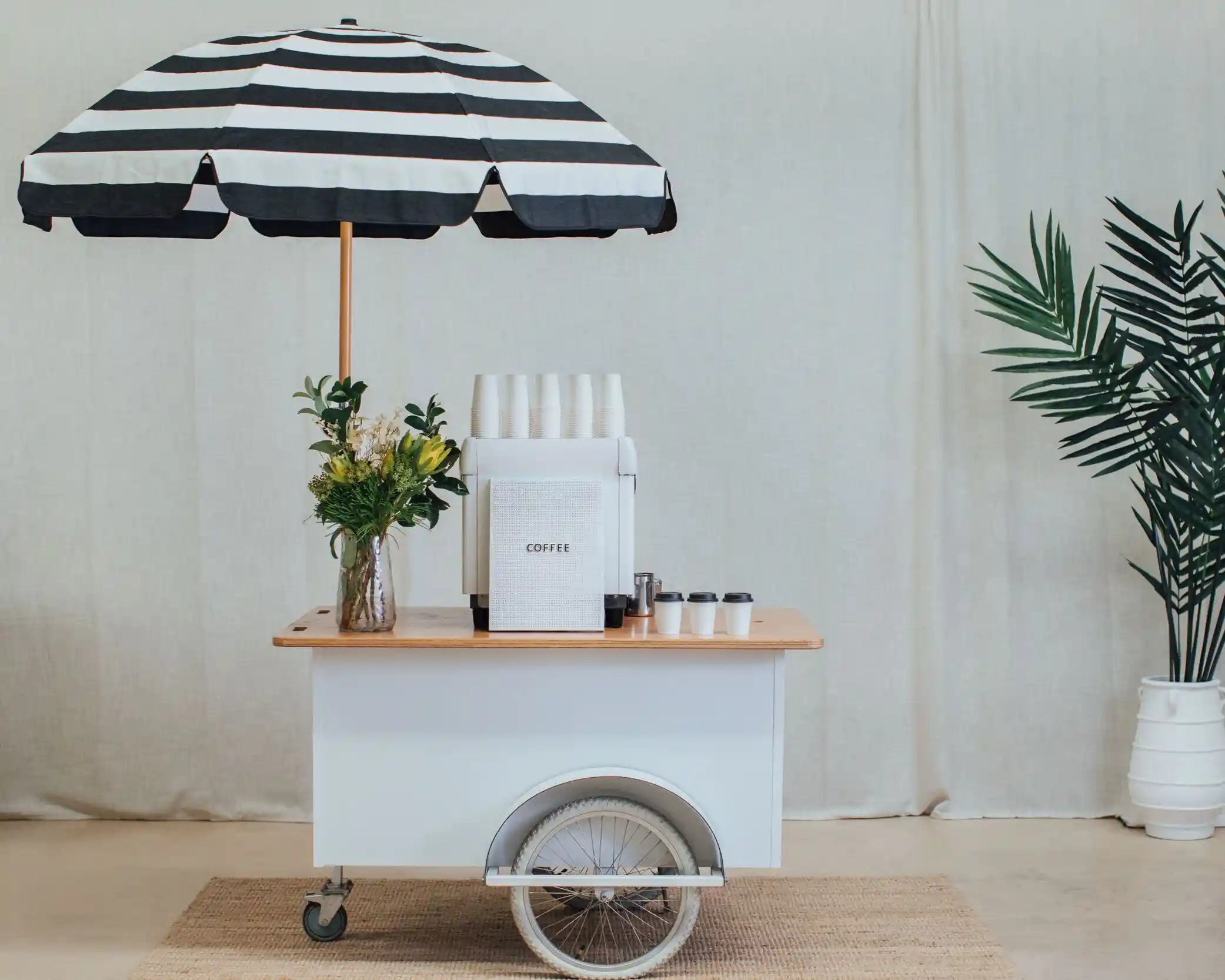
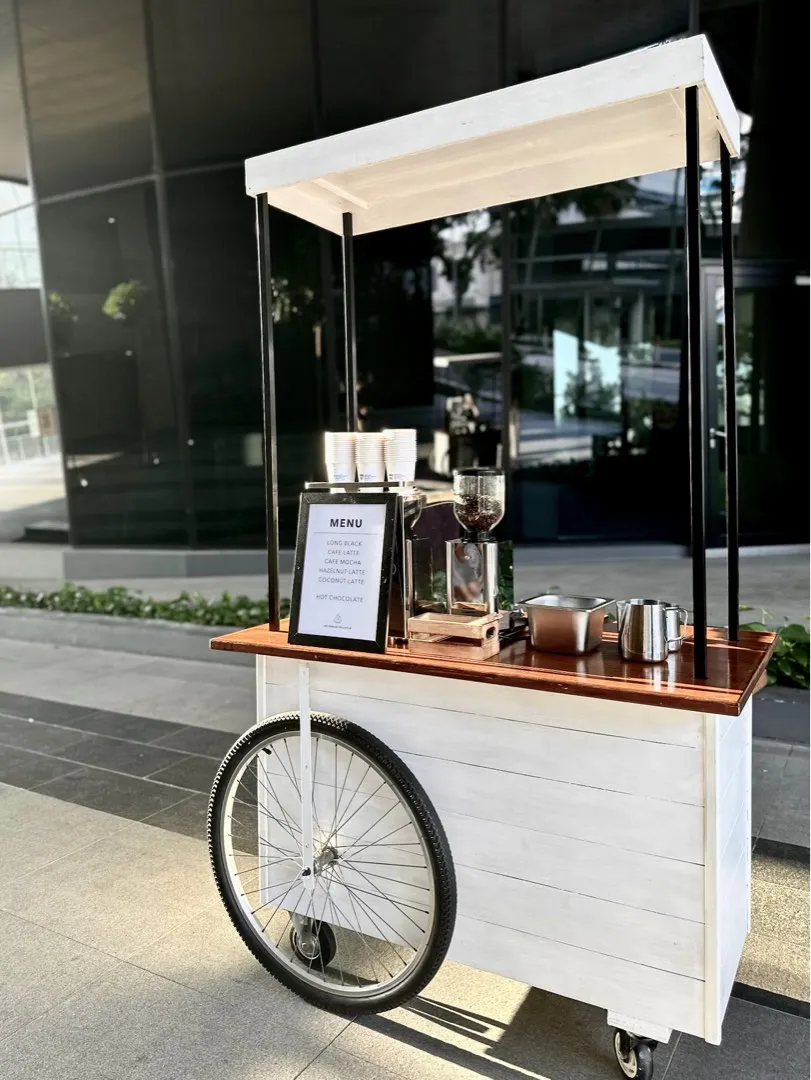
Walk into any major exhibition in London today — whether it’s at ExCeL, Olympia, or a high-end retail activation in the West End — and you’ll notice something subtle but powerful.
The busiest stands aren’t always the biggest.
They’re the ones with a queue.
And more often than not, that queue starts at a coffee cart.
Over the past few years, coffee has quietly transformed from a simple hospitality add-on into one of the most effective tools for engagement in live environments. What was once considered “just catering” is now a central part of how brands attract, interact with, and retain attention.
At the centre of this shift is the rise of dedicated services like
Coffee Cart Hire London,
a platform built specifically around the needs of modern events — from exhibitions and corporate activations to retail experiences and beyond.
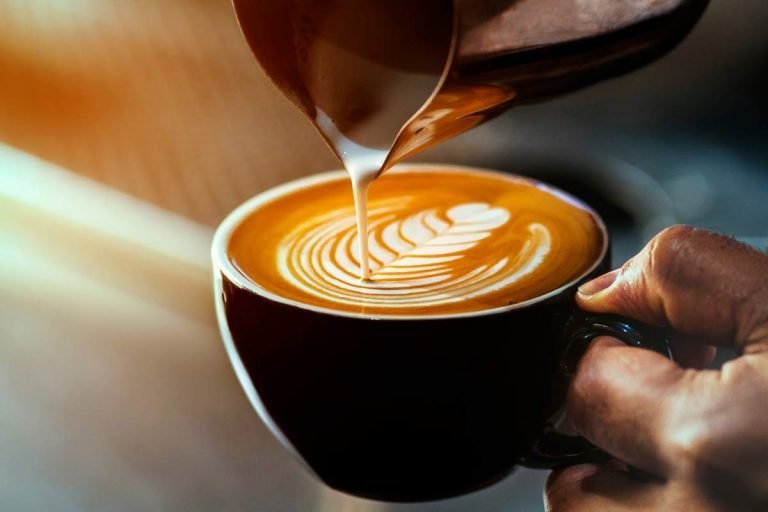
There’s something universally disarming about coffee.
It invites people in without pressure. It creates a moment of pause. And in fast-paced environments like exhibitions, that pause is incredibly valuable.
At venues like
ExCeL London and
Olympia London,
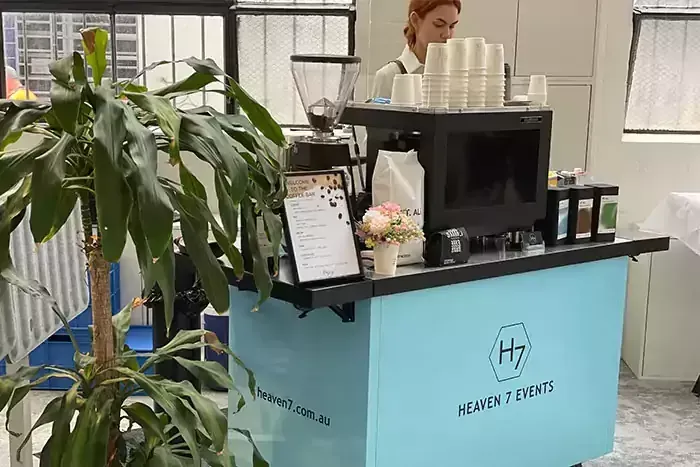
where hundreds of brands compete for attention, a coffee cart doesn’t just serve drinks — it creates space for conversation.
A flat white becomes an opening line.
A matcha latte becomes a reason to stay.
And suddenly, a passing visitor becomes a meaningful interaction.
What’s interesting is how quickly this space has evolved.
Coffee cart services are no longer generic or one-size-fits-all. They’re being designed specifically for environments like exhibitions, conferences, and corporate activations — where speed, efficiency, and presentation all matter equally.
Platforms such as
Coffee Cart Hire London’s exhibition services and
corporate event solutions
reflect this shift clearly.
Even location-specific demand has shaped the market, with tailored services for venues like
NEC Birmingham
highlighting just how targeted and performance-driven these activations have become.
Brands are no longer asking if they should offer coffee.
They’re asking how coffee can work harder for them.
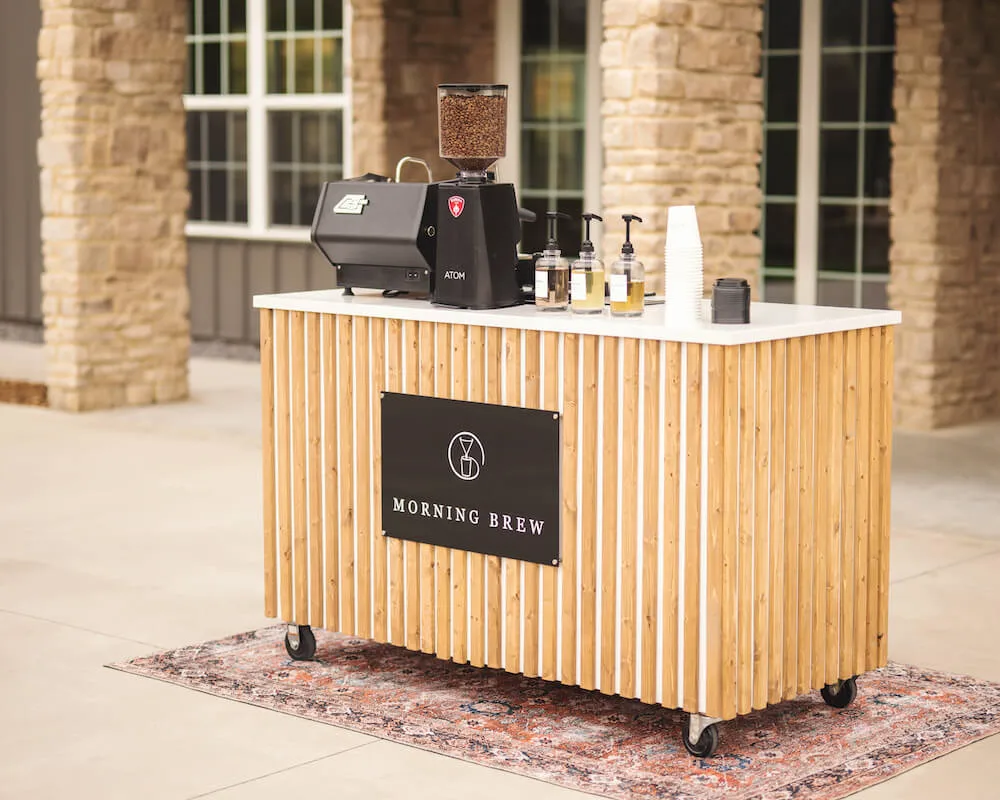
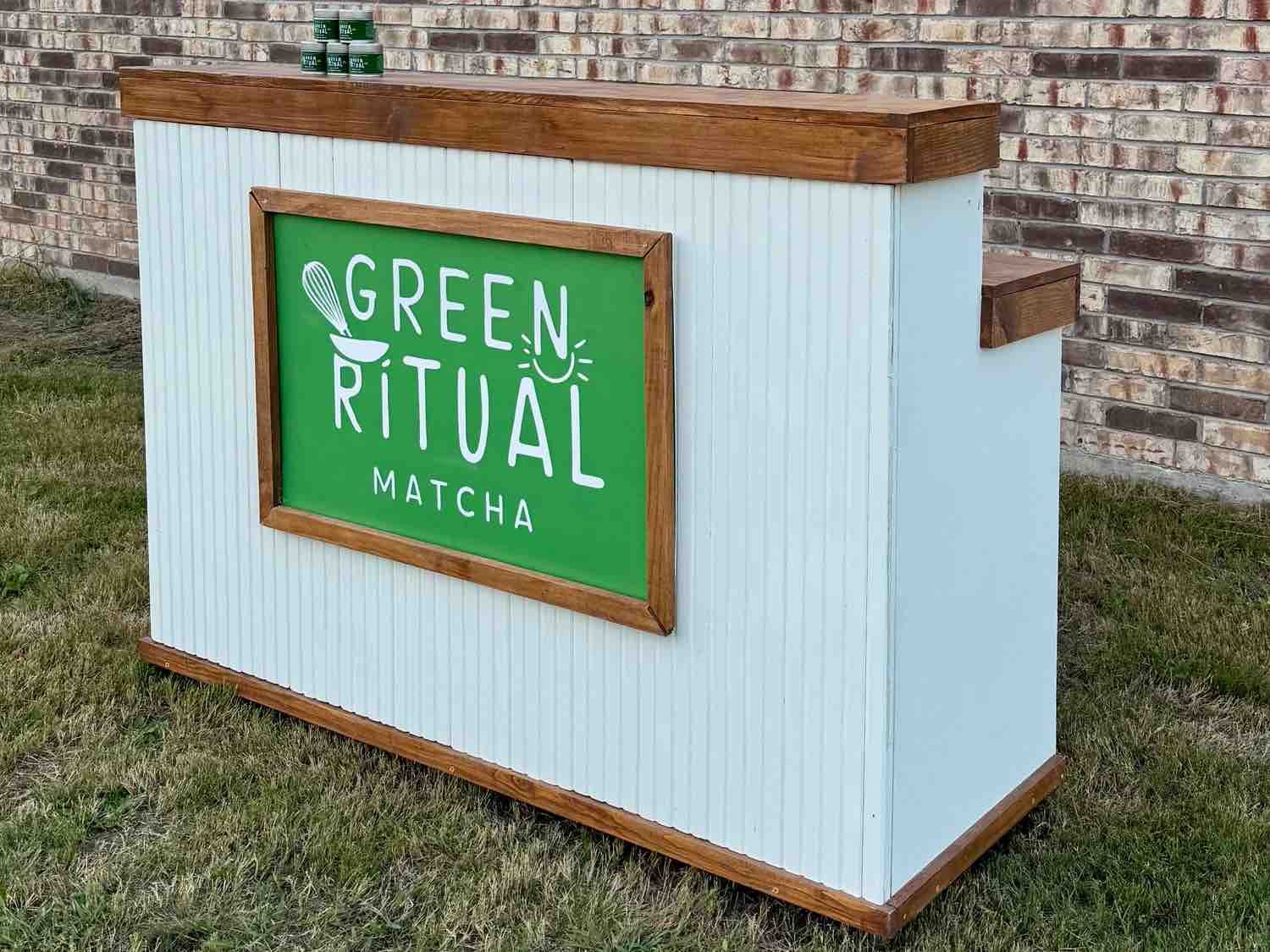
Perhaps the biggest change has been in how coffee is presented.
What used to be a simple station is now a fully considered brand asset.
Carts are designed to integrate seamlessly into campaigns. Cups are branded. Menus are curated. Every detail becomes part of the wider story a brand is trying to tell.
You can see this shift clearly in activations like
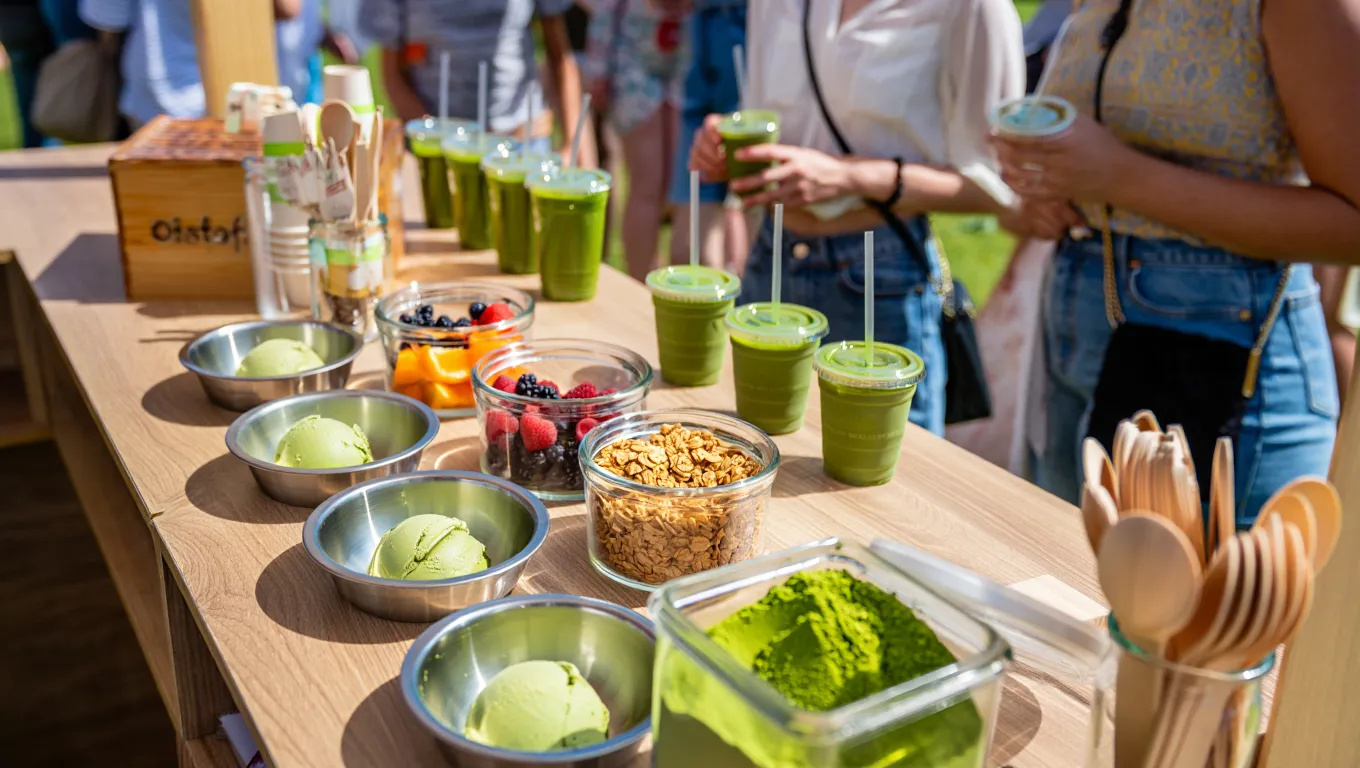
Molton Brown’s matcha bar at Broadgate,
where the coffee (or in this case, matcha) wasn’t just served — it was staged.
It became part of the visual identity.
Part of the experience.
Part of the memory.
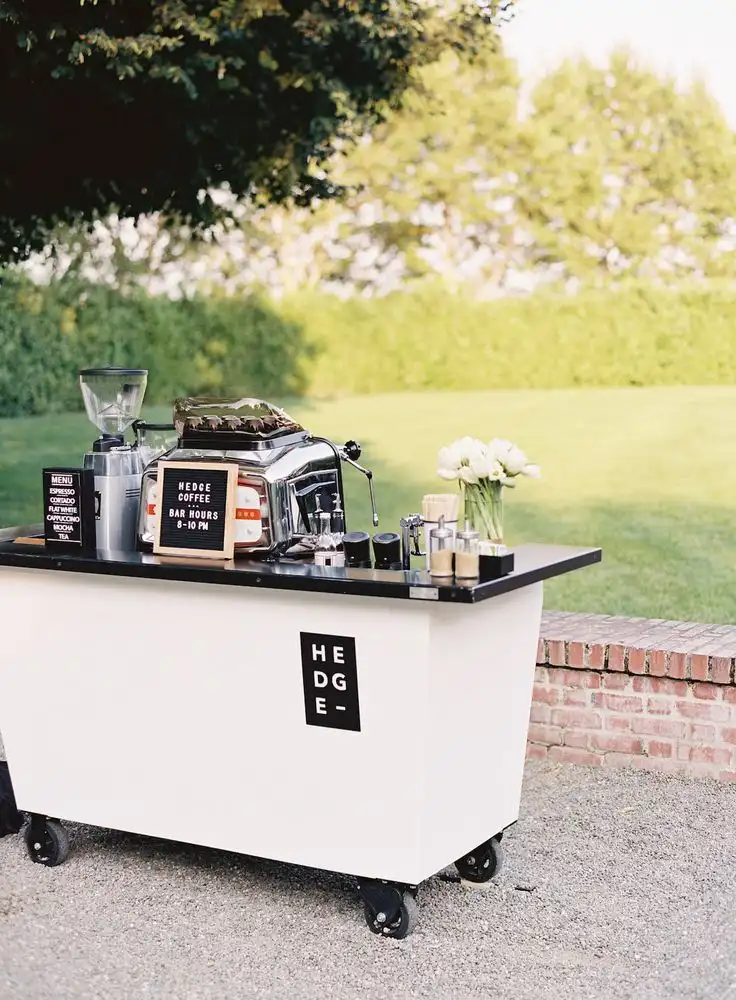
At the same time, what’s being served has changed.
Espresso-based drinks still anchor the menu, but they’re now joined by a new generation of options — most notably matcha.
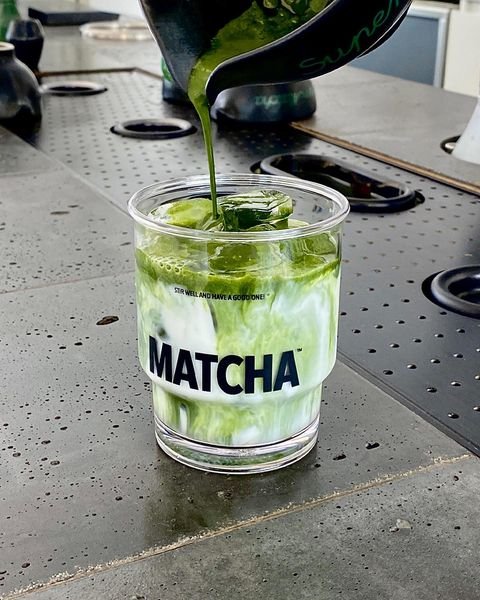
Iced matcha, in particular, has become a standout choice for brand activations. It’s visually striking, customisable, and increasingly associated with wellness and modern lifestyle trends.
There’s also a growing emphasis on quality and identity, with some providers even developing their own blends — as explored in
why developing a signature coffee for events is becoming important.
The drink itself is no longer the product.
It’s the medium.
As demand has grown, so has the distinction between different types of service.
Traditional barista hire still plays a role, but coffee carts offer something more complete — a combination of mobility, branding, and presence.
The difference is explored in more detail here:
Barista vs Coffee Cart Hire London
In short, coffee carts aren’t just about making drinks.
They’re about creating moments.
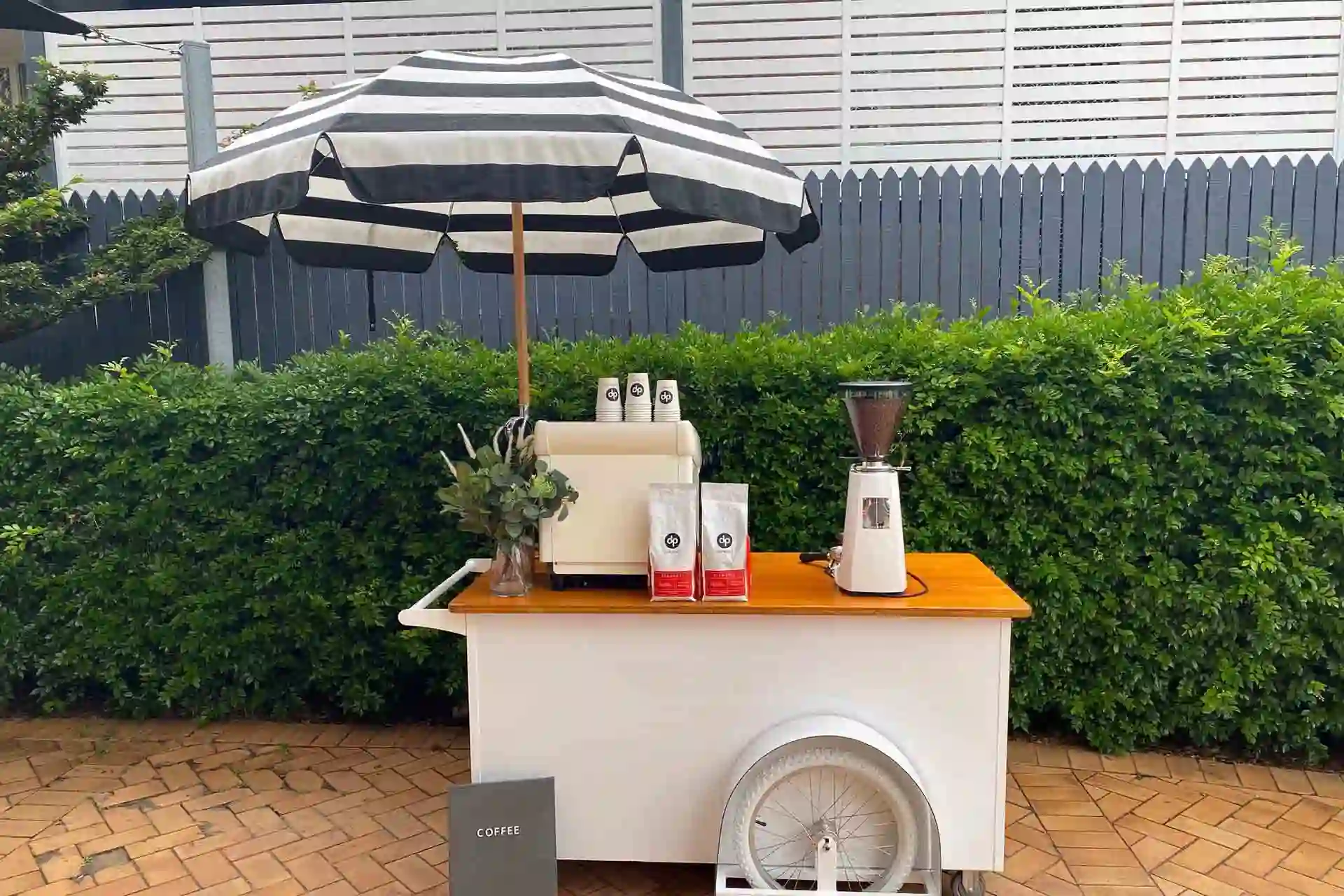
Coffee cart hire is a mobile coffee service designed for events, exhibitions, and brand activations. It includes professional baristas, espresso equipment, and a fully self-sufficient setup that can operate without fixed plumbing.
Coffee carts attract footfall, increase dwell time, and create natural engagement points. At busy venues like ExCeL London or Olympia London, they help brands stand out and start conversations with visitors.
Coffee cart hire typically starts from around £850 + VAT for smaller events and can scale depending on drink volume, branding, and duration. Full-day exhibition activations usually range between £1,250–£3,000+.
What’s particularly telling is how far this trend has spread.
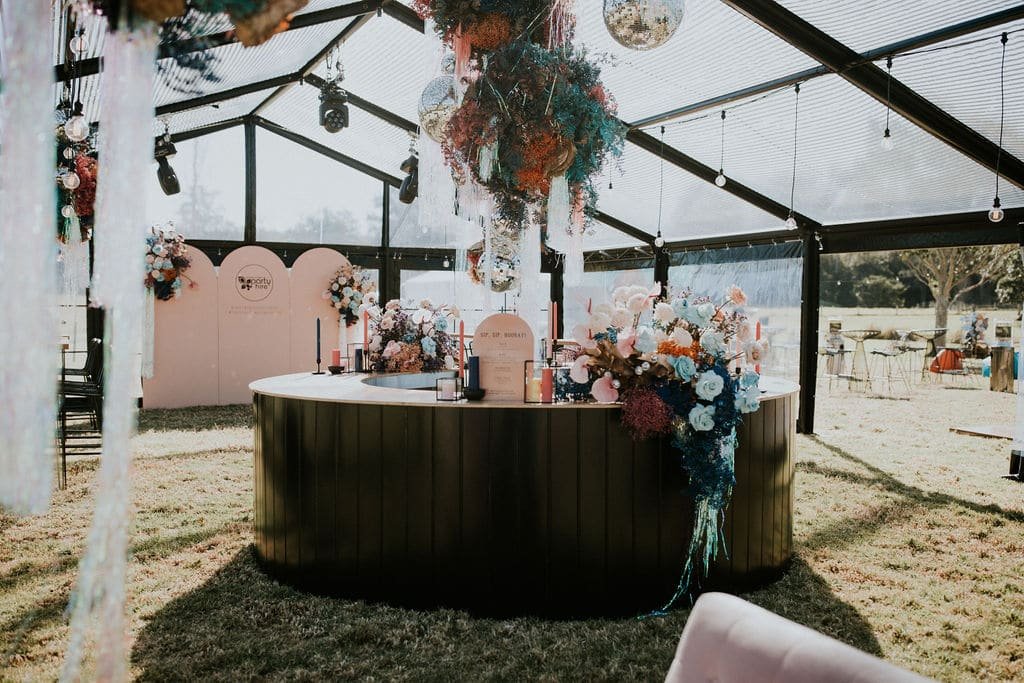
Coffee carts are no longer confined to exhibitions and office spaces. They’ve become a feature at weddings, product launches, influencer events, and even international brand activations.
A setup that works just as well for a conference at 8am can transition seamlessly into a drinks reception at 6pm.
From
wedding coffee cart hire in London
to nationwide and international deployments via
UK-wide services,
the flexibility of the model is a large part of its appeal.
Another factor driving adoption is how structured the industry has become.
Clear pricing models — such as those outlined on
coffee cart pricing pages —
allow brands to plan effectively and scale with confidence.
Whether it’s 100 drinks or 1,000, the framework is there.
And that consistency matters, especially for brands running multiple activations across different locations.
What’s happening here isn’t loud.
It’s not a trend driven by novelty or gimmicks.
It’s a quieter evolution — one rooted in behaviour, experience, and human interaction.
Coffee works because it doesn’t feel like marketing.
It feels like hospitality.
And in a world where attention is harder to capture than ever, that might be the most valuable thing of all.
For brands looking to understand how this space is evolving — or to integrate coffee into their own activations — you can explore:

Mixology Insider | Cocktail Culture, Coffee & Event Trends
Get the latest updates via email. Any time you may unsubscribe
©Mixology Insider all rights reserved 2026 | Designed by Mario
