

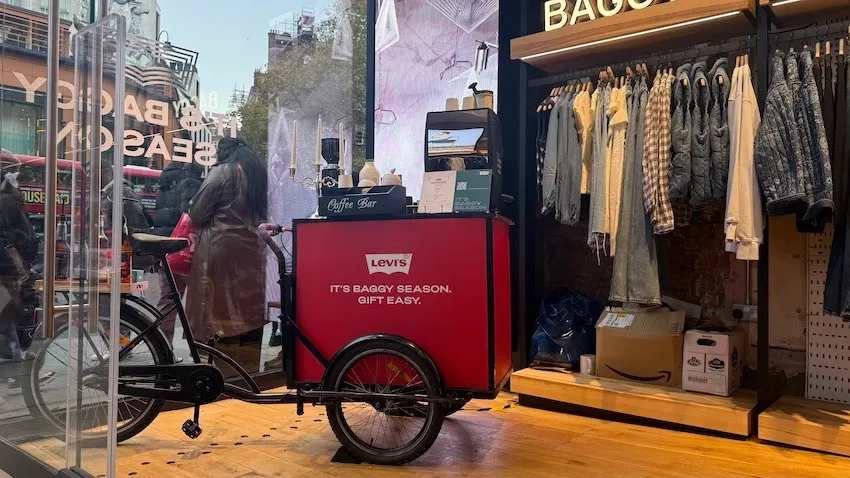
International events are no longer an exception — they are becoming the norm.
In 2026, brands, agencies and private clients are increasingly taking experiences beyond their home markets. Conferences, retreats, brand activations and destination weddings are now designed as cross-border moments, not single-city events.
At the same time, expectations have changed. Guests expect the same quality of hospitality in Paris, Milan or Barcelona as they would in London.
This shift is reshaping how international events are planned — and who clients trust to deliver them.
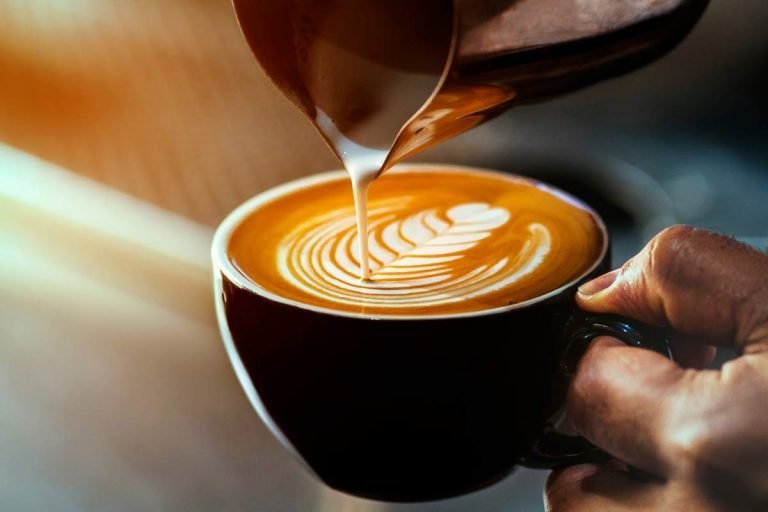
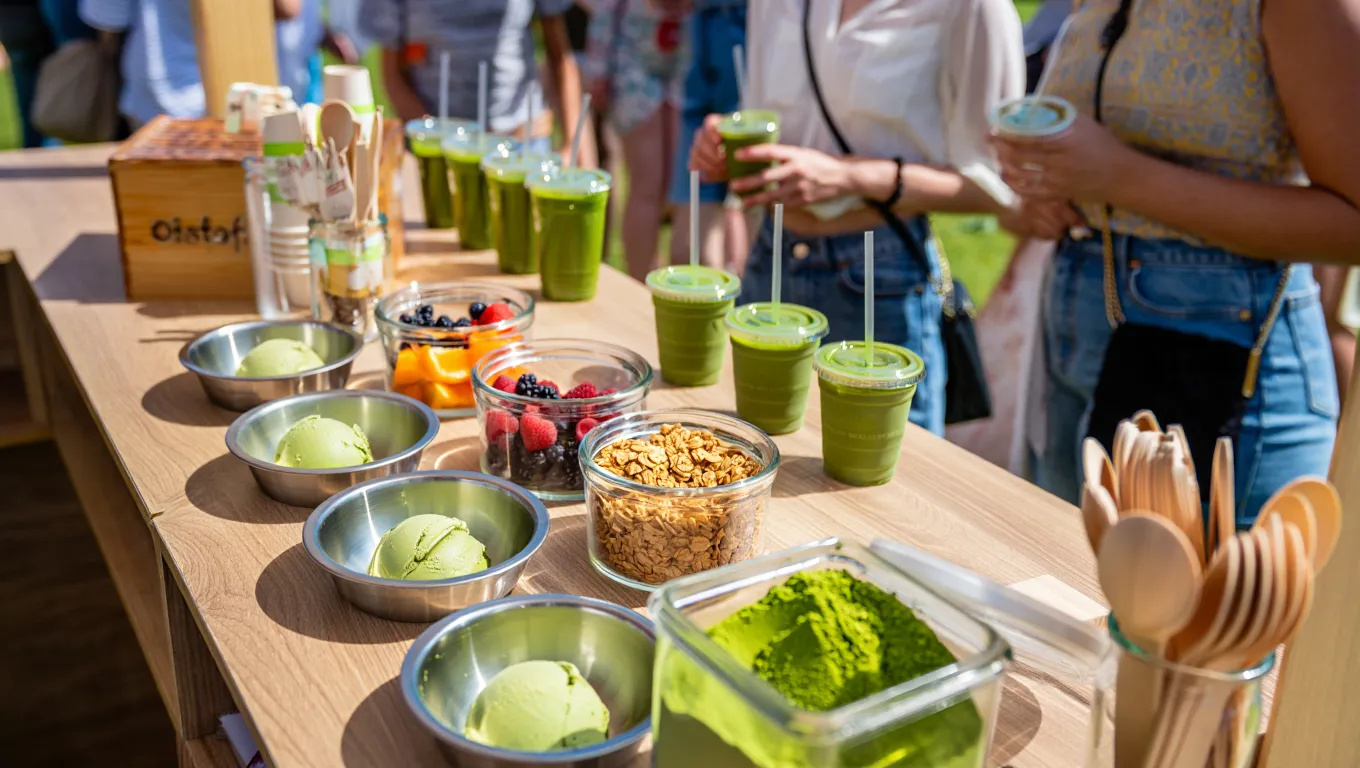
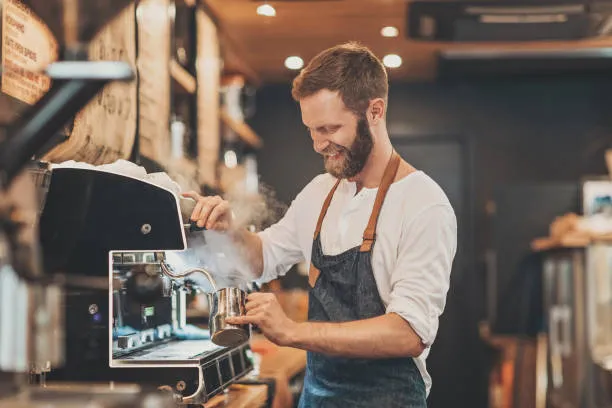
Coffee is no longer just a refreshment — it’s a hospitality anchor.
At international events, coffee:
When delivered poorly, it disrupts flow. When delivered well, it elevates the entire experience.
That’s why professional barista services are now embedded into international event planning rather than treated as an afterthought.
France remains one of the most influential destinations for international events — particularly in fashion, retail and luxury sectors.
International organisers increasingly favour UK-led hospitality teams for France, as they bring structure, planning discipline and brand awareness that aligns with global campaigns.
The growth of International Events in France reflects this demand for precision-led service, rather than ad-hoc local sourcing.



Italy presents a unique challenge: expectations around coffee are exceptionally high.
Rather than competing with local café culture, successful international events in Italy focus on hospitality moments — welcome receptions, retreats, weddings and curated networking environments.
This approach is central to the rise of International Events in Italy, where planning, timing and service style matter more than volume alone.
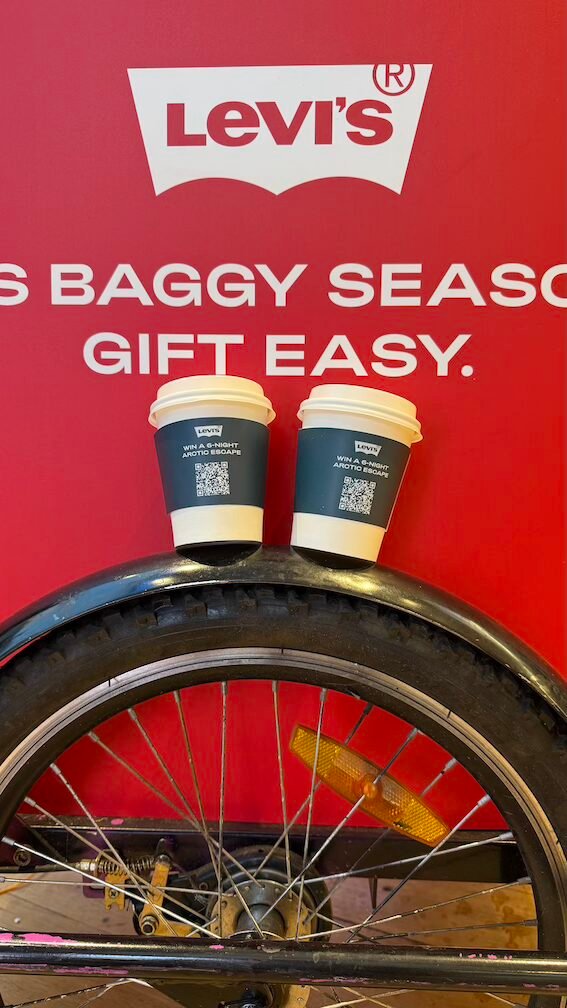
Spain has become a leading destination for:
These events require flexibility, warmth and flow — qualities that translate well when hospitality is planned centrally and delivered consistently.
The continued growth of International Events in Spain reflects Spain’s role as a strategic experiential destination rather than just a leisure location.
Belgium — especially Brussels — is a hub for international conferences, exhibitions and corporate gatherings.
Here, hospitality is judged on:
This is why corporate planners increasingly rely on structured services like International Events in Belgium, where coffee service supports tight schedules and high-volume environments without friction.
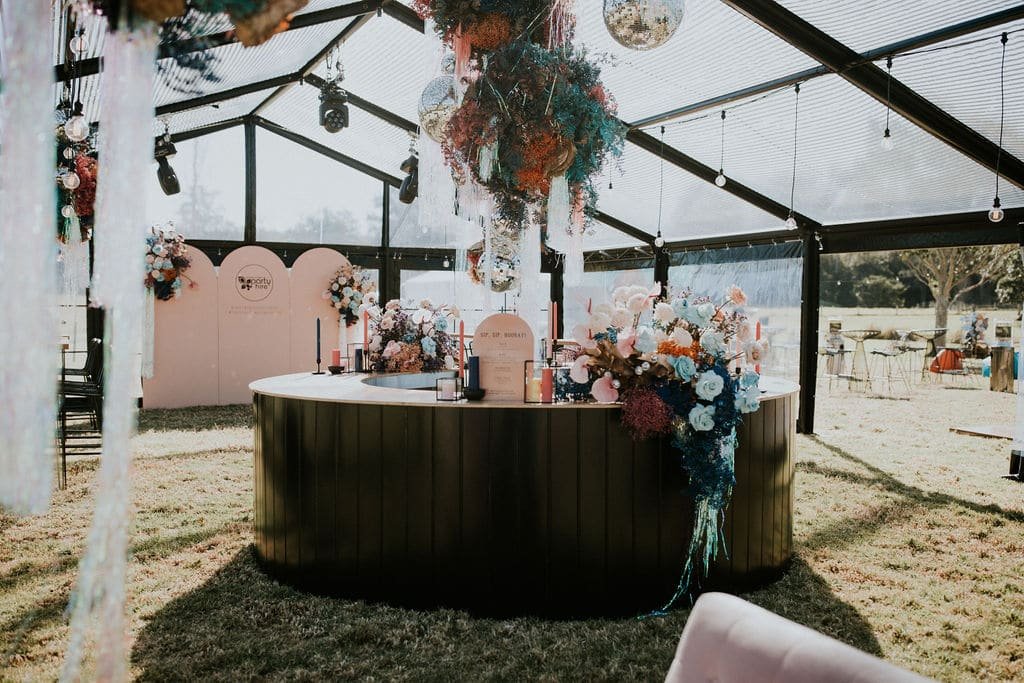
Across every country, the same principle applies:
Consistency beats improvisation.
International events succeed when hospitality is:
This is why International Events are no longer treated as “overseas extras”, but as a dedicated category within modern event strategy.
In 2026, international events are no longer a risk — if they’re planned correctly.
Coffee, cocktails and hospitality have become essential tools for creating connection, trust and experience across borders. And as events continue to globalise, the demand for structured international delivery will only grow.
For organisers, agencies and brands, the message is clear:
international hospitality needs the same discipline as international marketing.

Mixology Insider | Cocktail Culture, Coffee & Event Trends
Get the latest updates via email. Any time you may unsubscribe
©Finguru all rights reserved. Designed by expresso soft
