
Brand activation services have evolved into one of the most powerful tools in modern marketing. In London and across the UK, brands are moving away from passive advertising and investing in experiential marketing that creates real human connection.
From coffee and matcha activations to cocktail bars, DJs, and immersive hospitality experiences, today’s brand activations are designed to engage multiple senses at once — taste, sound, atmosphere, and interaction — creating moments people remember long after the event ends.
This guide explores how brand activation services in London work, why experiential marketing outperforms traditional promotion, and how leading brands combine coffee, cocktails, and music into cohesive, high-impact experiences.
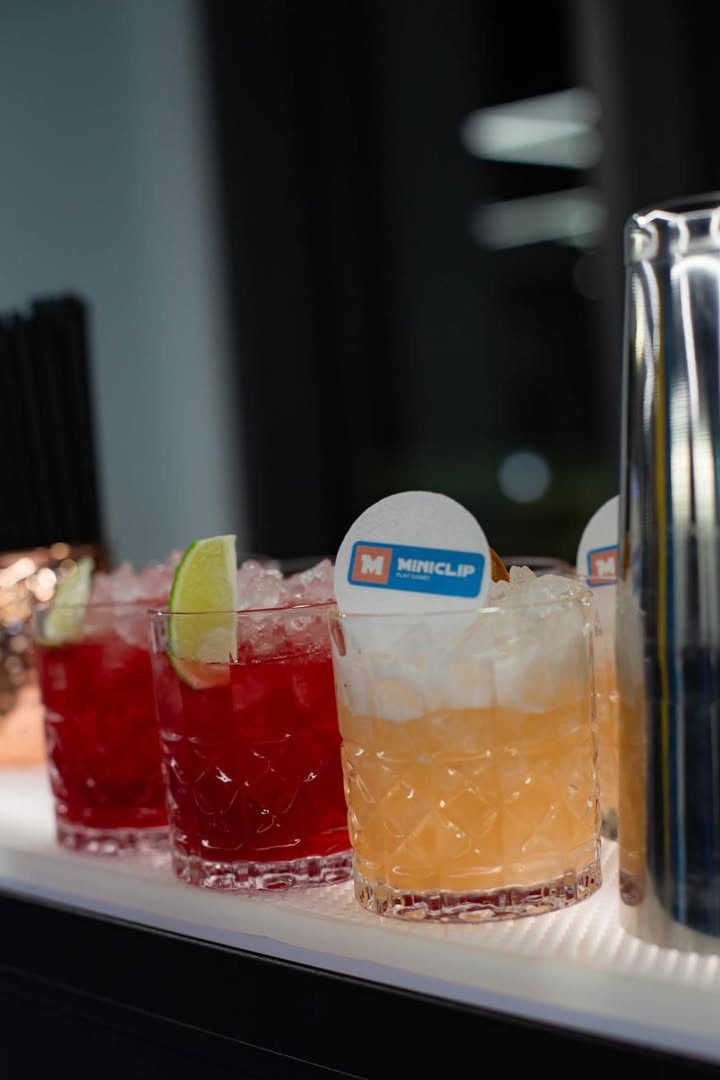
A brand activation is a live, experience-led campaign designed to bring a brand to life through direct audience engagement. Rather than telling people what a brand stands for, activations allow guests to experience it first-hand.
As audiences become increasingly resistant to static advertising, experiential marketing has proven to deliver:
Longer dwell time
Stronger emotional connection
Higher recall and social sharing
More meaningful brand interaction
In 2026, successful brands are those that invest in experiences people want to be part of — not ones they scroll past.
London has become a leading hub for experiential marketing. Retailers, corporate offices, lifestyle brands, and property developers are all using live activations to cut through digital noise and reconnect with audiences in real-world environments.
Experiences such as mobile bars for regional campaigns — similar to those used in mobile bar hire for brand activations — or large-scale seasonal events like Christmas party bar experiences in London demonstrate how hospitality-led activations consistently outperform static displays.
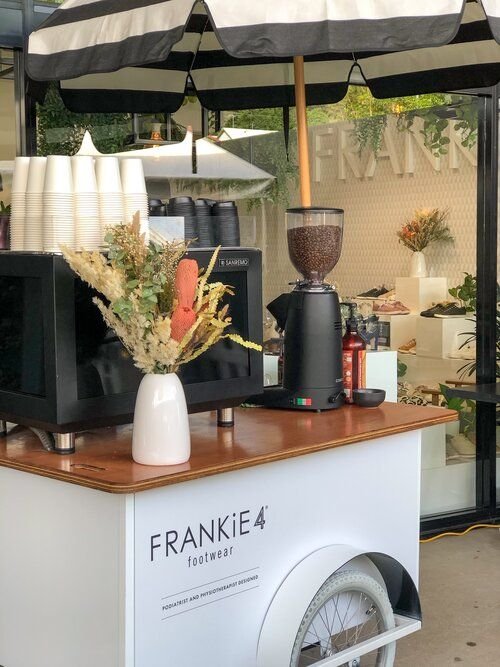
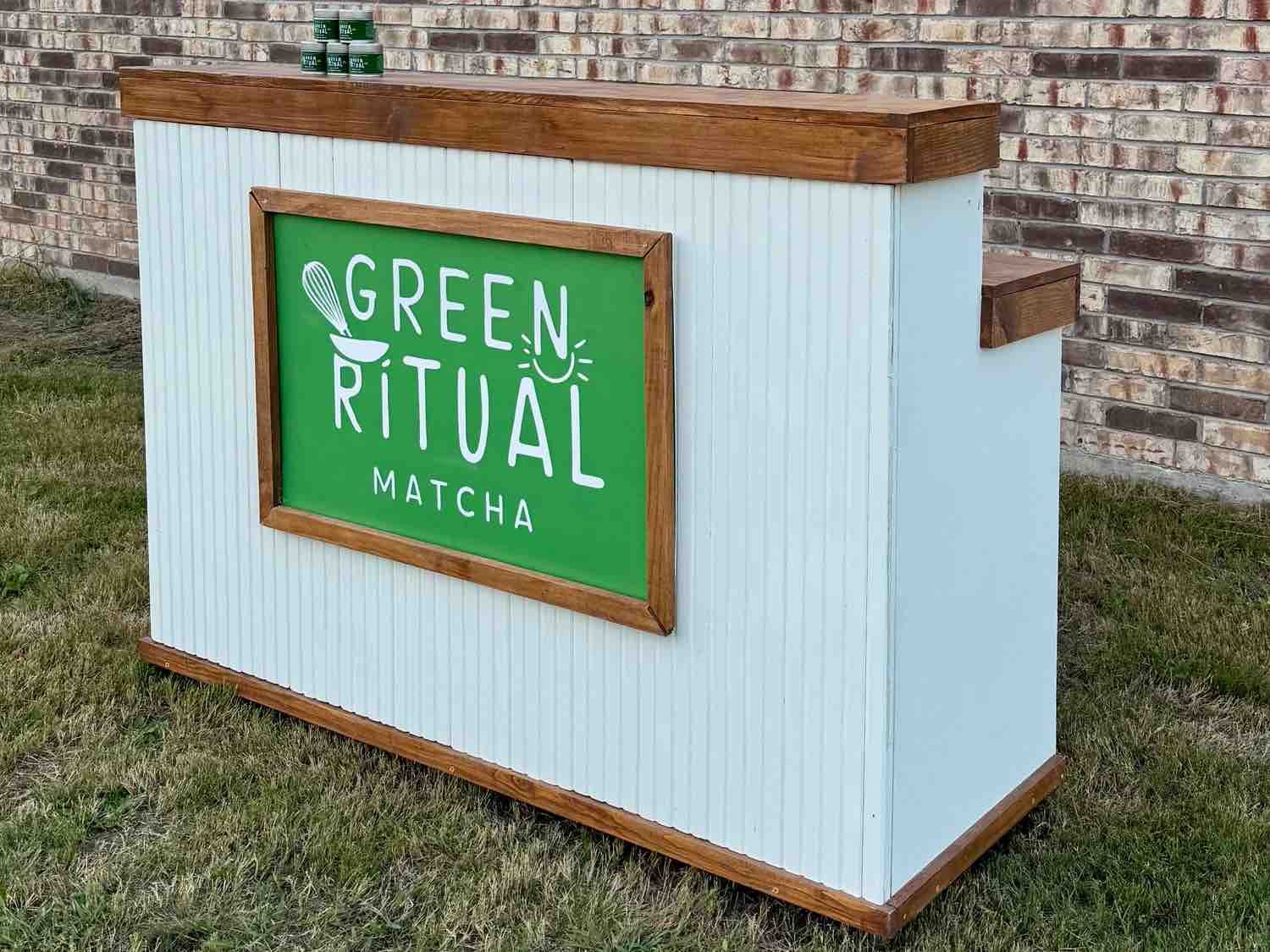
Modern brand activations are no longer one-dimensional. The strongest campaigns blend hospitality, entertainment, and storytelling into a single, cohesive experience.
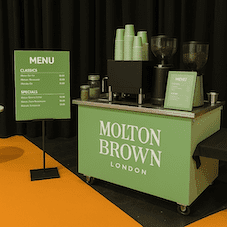
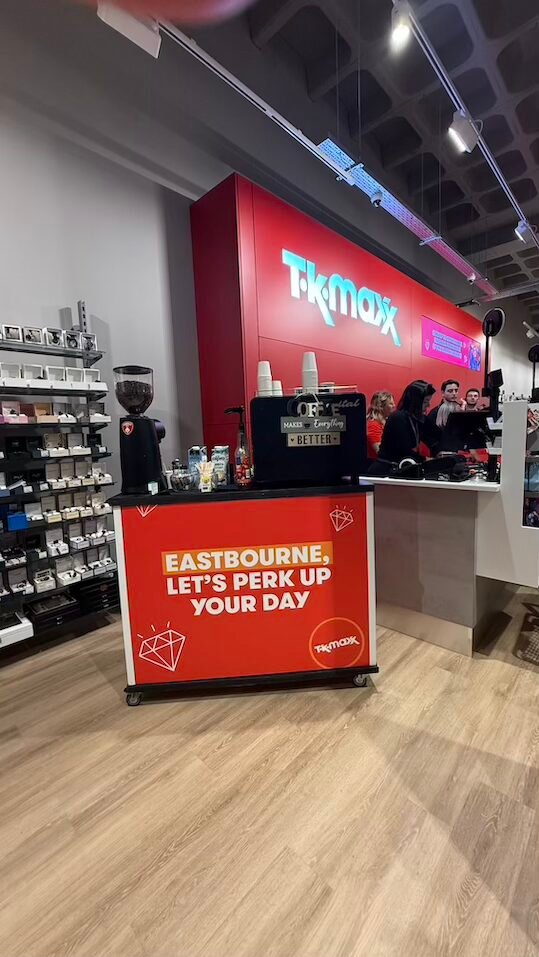
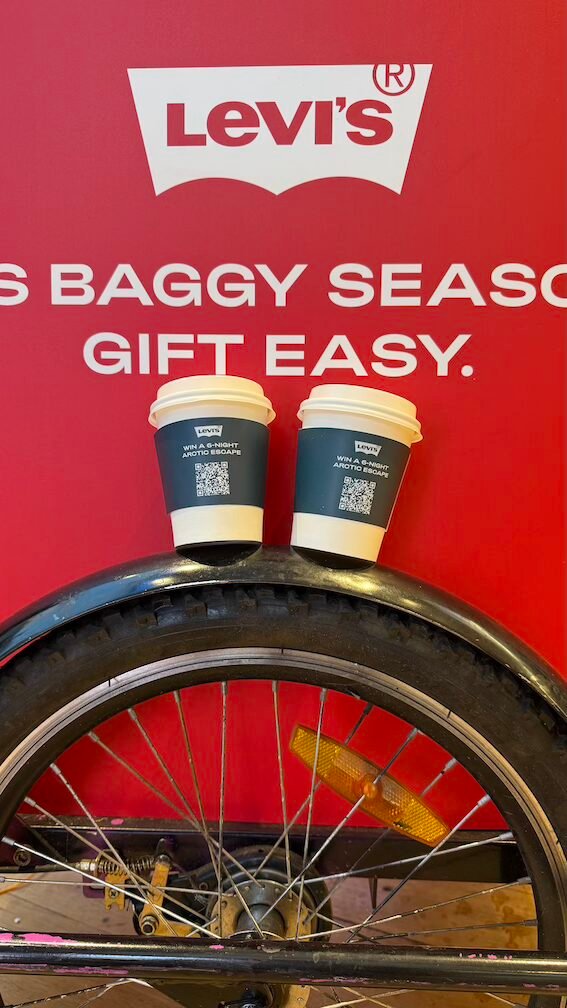
Coffee-led activations have become one of the most effective daytime experiential formats. Branded caffeine experiences — including coffee bike activations and full-scale mobile coffee bar activations — naturally encourage conversation, dwell time, and repeat engagement.
These formats are especially effective for offices, exhibitions, retail environments, and wellness-focused campaigns.
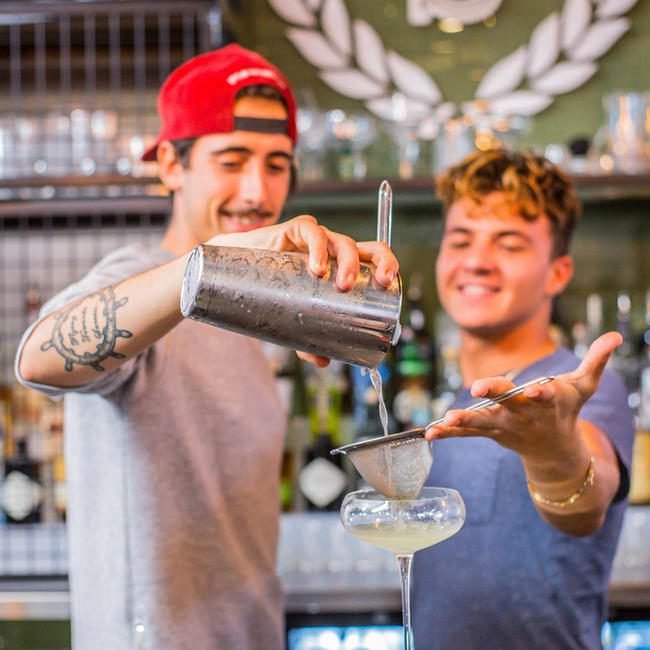
Cocktail activations remain a cornerstone of experiential marketing, particularly for product launches, evening events, and lifestyle brands. Formats inspired by interactive cocktail making classes or collaborative cocktail team building experiences allow brands to involve guests rather than simply serve them.
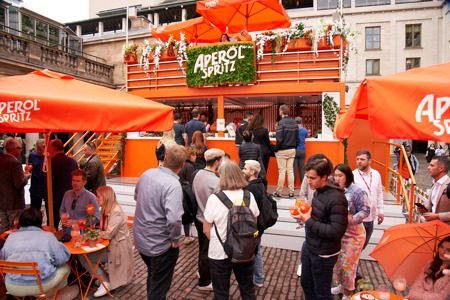
Visually distinctive concepts — such as an Aperol Spritz bar activation or a classic summer-focused Pimm’s bar experience — are particularly effective in retail pop-ups and outdoor brand environments.
Not all brand activations need alcohol. Creative concepts like milkshake bar experiences or statement installations such as a Prosecco wall activation allow brands to tailor experiences to different demographics while maintaining visual impact and engagement.
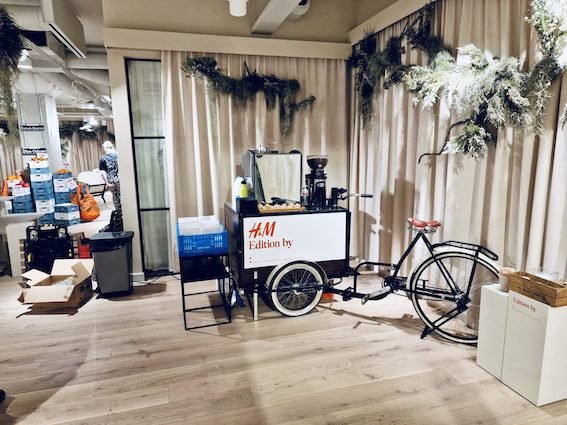
Brand activation services involve creating live, experience-led campaigns that allow audiences to interact directly with a brand. These experiences often include elements such as hospitality, entertainment, and guided engagement to build stronger emotional connections than traditional advertising.
Traditional marketing focuses on one-way communication, such as ads or promotions. Experiential marketing invites people to actively participate, creating memorable moments through real-world interaction, which often leads to higher recall, longer dwell time, and stronger brand affinity.
The most effective brand activations are multi-sensory and audience-focused. Coffee and matcha activations work well for daytime and corporate environments, while cocktail experiences and evening activations are ideal for launches, retail events, and lifestyle campaigns. Combining multiple elements often delivers the strongest results.
Yes. Many brands use brand activations in offices, exhibitions, and corporate settings to engage staff, clients, and partners. Coffee-led experiences and structured daytime activations are particularly popular, as they feel professional, welcoming, and aligned with workplace culture.
While London is a major hub for experiential marketing, brand activation services can be delivered nationwide. Many campaigns start in London and then scale across the UK through roadshows, retail rollouts, and multi-location activations.
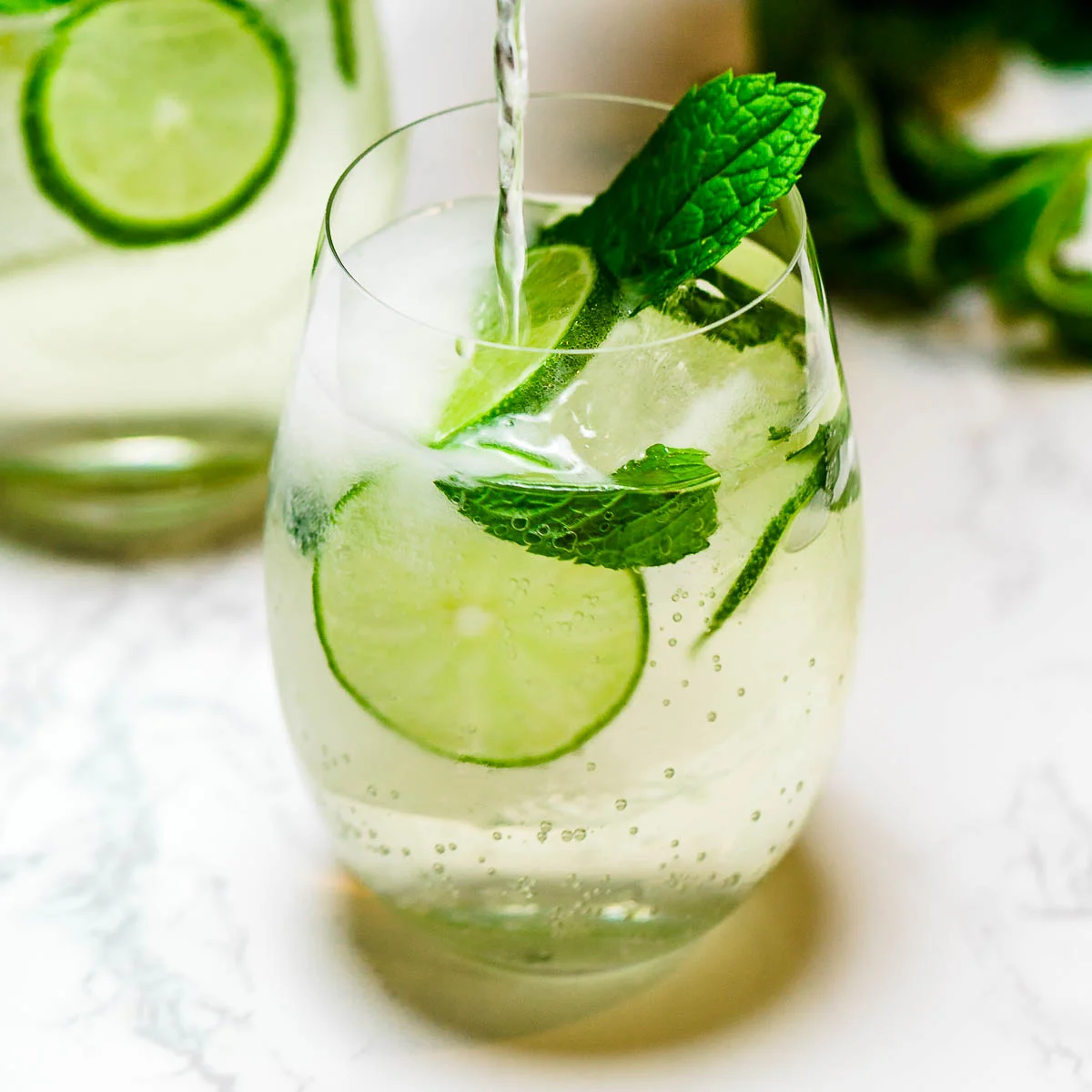
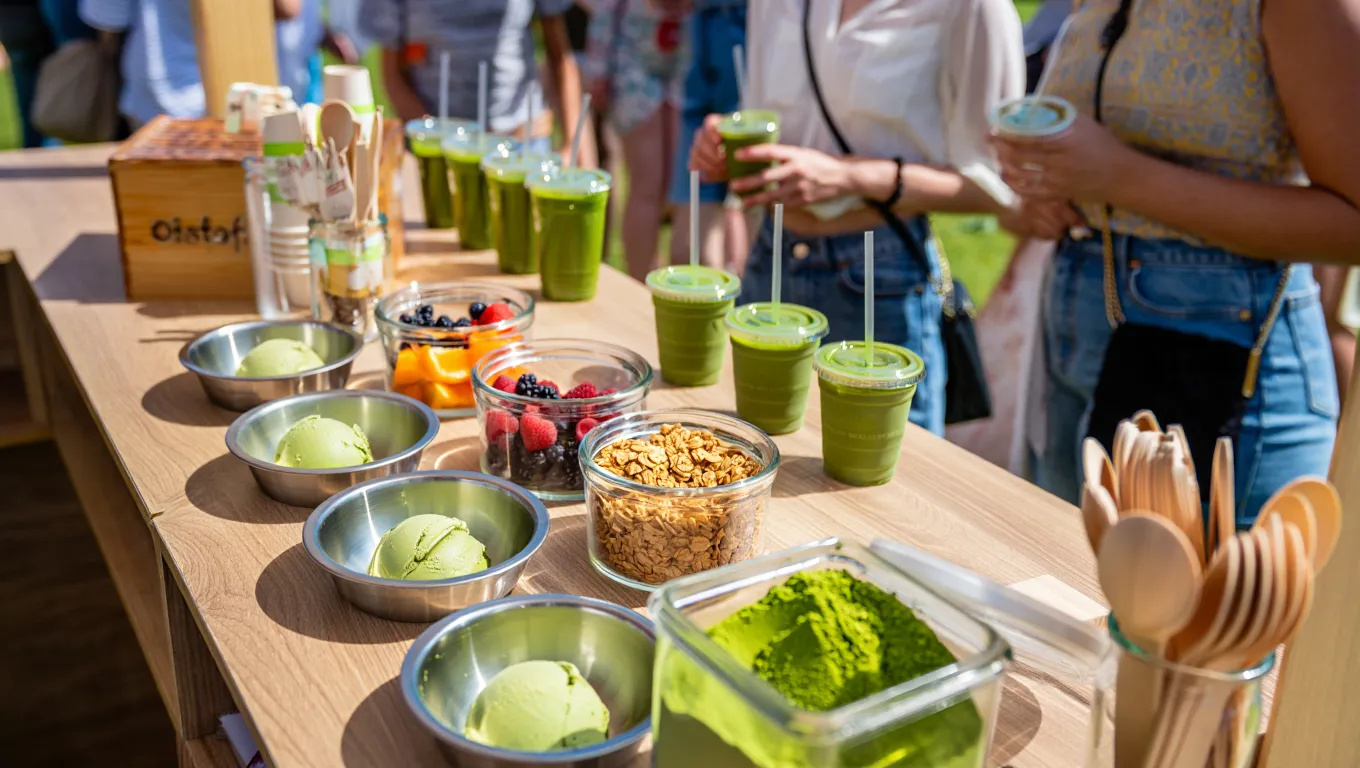
Daytime experiential marketing continues to grow, particularly in professional and corporate settings. Campaigns using barista-led event experiences or exhibition-friendly formats like mobile coffee carts for exhibitions create a relaxed, welcoming atmosphere that aligns naturally with workplace culture.
Industry commentary consistently highlights coffee-led activations as one of the least intrusive and most effective experiential formats, as discussed in this editorial overview on barista hire for events.
The most effective brand activations combine multiple sensory elements. A daytime coffee pop-up can transition into an evening cocktail experience, supported by curated music, lighting, and trained hospitality staff.
This layered approach is increasingly common across retail launches, corporate rebrands, and national roadshows. When executed well, multi-sensory experiences feel natural rather than promotional — a trend explored in broader industry analysis such as this feature on experiential mobile bar campaigns in London and the UK.
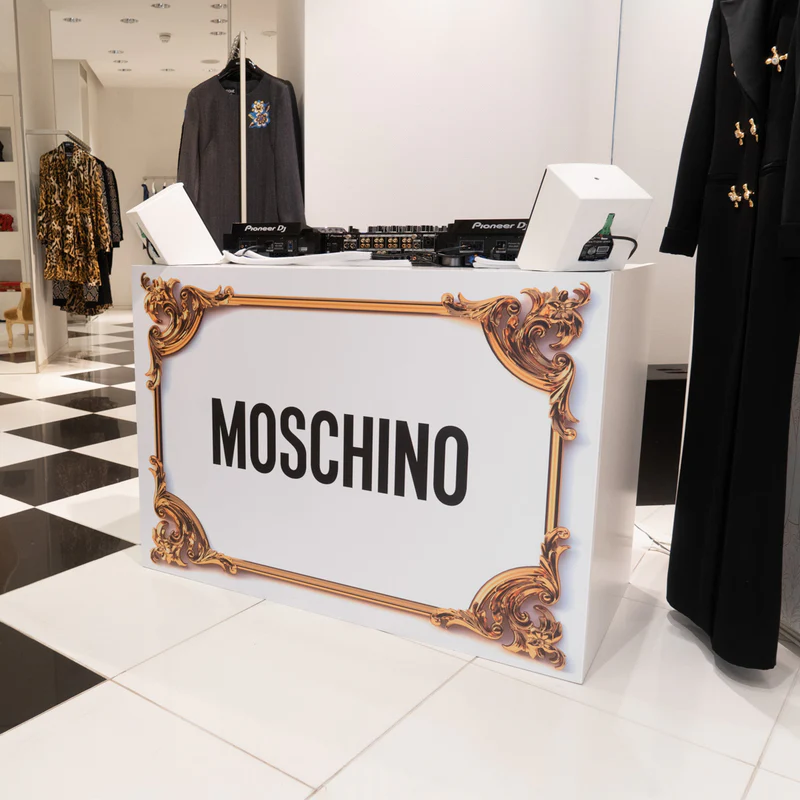
Experiential marketing works because it:
Brands that invest in well-designed activations consistently see higher engagement and stronger brand affinity compared to traditional advertising alone.
As London continues to lead the UK in experiential marketing, brand activation services will become even more experience-driven, human-focused, and multi-sensory.
Whether through coffee and matcha activations, interactive cocktail experiences, or immersive hospitality concepts, the brands that succeed will be those that prioritise how people feel during the experience, not just what they see.
Brand activation is no longer about promotion — it’s about creating moments worth remembering.
Mixology Insider | Cocktail Culture, Coffee & Event Trends
Get the latest updates via email. Any time you may unsubscribe
